
The Art of Live Looping Performances
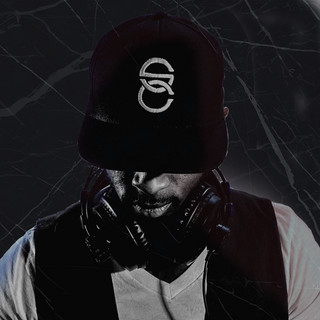
Live looping is a powerful form of musical storytelling. It transforms a single instrument or voice into a layered symphony, crafted in real time. This art form is a dance between technology and creativity, where every loop is a brushstroke on a sonic canvas. As an artist, I have witnessed how live looping techniques unlock new dimensions of expression, turning simple melodies into immersive soundscapes. Whether you are a musician, event planner, or creative visionary, understanding these techniques can elevate your craft and captivate your audience.
Unlocking the Power of Live Looping Techniques
Live looping techniques are the backbone of creating dynamic, evolving performances. At its core, live looping involves recording a musical phrase and playing it back repeatedly while adding new layers on top. This process builds complexity and texture, much like weaving threads into a rich tapestry.
To master these techniques, start with a solid foundation:
Choose your gear wisely: Loop pedals, software like Ableton Live, or dedicated loop stations each offer unique features. Select tools that suit your style and workflow. I keep my gear portable by choosing the Boss RC-505.
Practice timing and precision: The magic of live looping lies in seamless transitions. Use a metronome or click track to keep your loops perfectly in sync. Like an old catchy song, my students won't forget me saying the words, "Start and end on the 1!".
Experiment with layering: Combine different instruments, vocal harmonies, or percussive elements. Each layer should complement the others, creating a balanced sound.
For example, a guitarist might start with a rhythmic chord progression, then add a bass line, followed by a melody and vocal harmonies. This layering creates a full band effect, all performed solo.

Building Your Unique Sound with Live Looping Techniques
Developing a signature sound through live looping requires more than technical skill. It demands creativity and a willingness to explore sonic possibilities. Here are some strategies to personalize your live looping performances:
Incorporate unconventional sounds: Use found objects, body percussion, or field recordings to add texture.
Play with effects: Delay, reverb, and modulation effects can transform simple loops into atmospheric soundscapes.
Vary loop lengths: Experiment with loops of different durations to create polyrhythms and unexpected patterns.
Use dynamic control: Adjust volume and tone on the fly to emphasize certain layers or create tension and release.
By blending these elements, you create a musical narrative that evolves organically. The audience experiences a journey, not just a repetition of sounds.

Essential Equipment and Setup for Live Looping
A successful live looping setup balances simplicity and versatility. Here’s a practical checklist to get started:
Looping device: Choose between hardware loop pedals (Boss RC series, Ditto Looper) or software solutions (Ableton Live, Loopy).
Instruments and microphones: Ensure your instruments are compatible with your looping device. Use quality microphones for vocals or acoustic instruments.
Audio interface: For software looping, a reliable audio interface ensures low latency and clear sound.
Headphones or monitors: Accurate monitoring is crucial for layering and timing.
MIDI controllers: These can trigger loops or effects hands-free, allowing more freedom during performance.
Set up your gear in a way that feels intuitive. Label your pedals and organize cables to avoid confusion mid-performance. A well-planned setup is the foundation for confident execution.
Crafting a Captivating Live Looping Performance
A live looping performance is a living artwork. It requires preparation, spontaneity, and connection with the audience. Here’s how to craft a memorable show:
Plan your setlist: Outline the structure but leave room for improvisation. Know which loops will build energy and which will provide space.
Engage visually: Use body language and stage presence to draw the audience into your process. Watching loops build is part of the spectacle.
Tell a story: Each loop should serve the narrative. Think of your performance as a journey with peaks and valleys.
Practice transitions: Smoothly moving between loops keeps the flow natural and immersive.
Embrace mistakes: Imperfections add authenticity. Use them as creative opportunities rather than setbacks.
For inspiration, explore artists who excel in this craft. Their performances demonstrate how live looping can transform a solo act into a full-bodied experience.
I invite you to explore the world of live looping performance to see how these techniques come alive on stage.
Elevate Your Artistic Vision with Live Looping
Live looping is more than a technique - it is a gateway to artistic freedom. It empowers creators to build complex soundscapes without the need for a full band or studio. This approach aligns perfectly with the mission of Sam Chimes Productions: to turn creative visions into reality and empower authentic artistic expression.
By mastering live looping techniques, you can:
Expand your creative toolkit: Add depth and dimension to your music or events.
Engage audiences uniquely: Offer immersive, one-of-a-kind experiences.
Collaborate effortlessly: Looping allows for spontaneous collaboration and experimentation.
Grow your artistic brand: Stand out with innovative performances that resonate globally.
Whether you are performing on stage, producing an event, or crafting a new project, live looping opens doors to endless possibilities. It is a transformative art form that invites you to paint with sound, layer by layer, until your vision takes flight.
Embrace the rhythm of live looping and let your creativity soar. The stage is yours to command.


Comments