
Mastering Remote Music Production Techniques
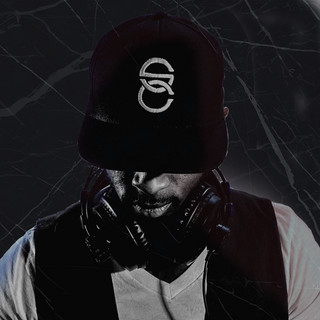
In the vast ocean of creativity, mastering remote music production is like learning to navigate uncharted waters with confidence and precision. The digital age has transformed how we create, collaborate, and share music. No longer confined by physical studios or geographic boundaries, artists and producers can now harness the power of technology to craft their soundscapes from anywhere in the world. This journey demands not only technical skill but also a mindset that embraces innovation and adaptability.
Embracing the Power of Remote Music Production
Remote music production is more than a trend; it is a revolution in how music is made. By leveraging cloud-based tools, digital audio workstations (DAWs), and real-time collaboration platforms, I have discovered that distance is no longer a barrier but a bridge to new creative possibilities. The key is to build a workflow that is both flexible and efficient.
To start, I recommend setting up a reliable home studio environment. This includes investing in quality headphones or monitors, a MIDI controller, and an audio interface. These tools form the foundation of your sound. Next, choose a DAW that suits your style—whether it’s Ableton Live, Logic Pro (what I use), or FL Studio. Each offers unique features that can enhance your production process.
Collaboration is the heartbeat of remote production. Platforms like Splice, Soundtrap, and online music production services enable seamless file sharing and version control. I always keep communication clear and frequent, using video calls and messaging apps to maintain creative synergy. This approach transforms isolated sessions into dynamic, interactive experiences.

Essential Techniques for Remote Collaboration
Working remotely requires mastering specific techniques to ensure your projects flow smoothly. One of the most effective methods is to establish a clear project structure from the outset. Label your tracks meticulously, organize your samples, and maintain consistent file formats. This discipline prevents confusion and saves valuable time.
Another technique is to use reference tracks. Sharing a well-mixed song that embodies the desired sound helps align everyone’s vision. I often create a shared playlist where collaborators can add inspirations and feedback. This collective input acts as a compass, guiding the production toward a unified goal.
Latency can be a challenge during live sessions. To combat this, I recommend pre-recording parts and sharing stems for asynchronous editing. When real-time jamming is necessary, using low-latency software and wired connections improves responsiveness. Patience and clear communication are essential to navigate these technical hurdles.
Finally, embrace version control. Tools like Git for audio or cloud storage with automatic backups ensure that no creative idea is lost. I keep a changelog to document edits and decisions, which fosters accountability and clarity throughout the project lifecycle.
Crafting Your Sound with Digital Tools
The palette of sounds available in remote music production is vast and vibrant. Synthesizers, virtual instruments, and sample libraries offer endless possibilities to sculpt your sonic identity. I encourage experimenting with layering sounds and manipulating effects to create textures that resonate emotionally.
Automation is a powerful ally. By dynamically adjusting parameters such as volume, panning, and filter cutoff, you can inject movement and life into static tracks. I often use automation to build tension and release, guiding listeners through a narrative journey.
Mixing remotely demands a keen ear and strategic use of reference monitors or headphones. I rely on spectrum analyzers and metering tools to maintain balance and clarity. Remember, a well-mixed track translates better across different playback systems, from earbuds to club speakers.
Mastering, the final polish, can be done remotely by specialized engineers or through online platforms. However, having a basic understanding of EQ, compression, and limiting empowers you to prepare your tracks for mastering with confidence.

Building a Remote Music Production Workflow That Works
Creating a workflow tailored to remote production is like constructing a well-oiled machine. It requires intentional design and continuous refinement. I start by defining clear milestones and deadlines to keep projects on track. Breaking down tasks into manageable chunks prevents overwhelm and fosters steady progress.
Communication protocols are vital. I set regular check-ins and use shared calendars to coordinate sessions. Tools like Trello or Asana help track tasks and responsibilities, ensuring everyone stays aligned.
File management is another cornerstone. I use cloud storage solutions with organized folder hierarchies and naming conventions. This system makes it easy to locate files and reduces the risk of version conflicts.
Backup strategies cannot be overstated. I maintain multiple copies of all project files across different platforms. This redundancy safeguards against data loss and provides peace of mind.
Finally, I encourage continuous learning. The landscape of remote music production evolves rapidly. Staying updated with new software, plugins, and collaboration tools keeps your workflow fresh and competitive.
Unlocking Creativity Through Remote Music Production
Remote music production is a gateway to boundless creativity. It invites us to break free from traditional constraints and explore new sonic territories. By mastering the techniques and tools available, I have transformed my creative process into a fluid, collaborative adventure.
The magic lies in the fusion of technology and artistry. Each session becomes a dance of ideas, where distance dissolves and connection deepens. Whether crafting beats, composing melodies, or mixing tracks, the remote environment offers a unique canvas for expression.
To truly excel, embrace experimentation. Try unconventional sounds, remix ideas, and invite diverse collaborators. This openness fuels innovation and leads to authentic, compelling music.
Remember, the journey of remote music production is ongoing. With every project, you refine your skills and expand your horizons. The digital realm is your studio, your stage, and your community.
Elevate Your Music Production Journey Today
Mastering remote music production is not just about technology; it is about mindset and dedication. By adopting structured workflows, leveraging powerful tools, and fostering clear communication, you can elevate your music to new heights.
I invite you to explore the possibilities and take control of your creative destiny. Whether you are an artist, musician, or event planner, the skills you develop in remote production will empower you to bring your visions to life with authenticity and impact.
At Sam Chimes Productions, we are committed to supporting this journey. Our goal is to be the go-to place for those seeking to transform ideas into unforgettable experiences. Together, we can shape the future of music and creativity.
Step into the world of remote music production and unlock your full potential today. The stage is set, the tools are ready, and your masterpiece awaits.


Comments